

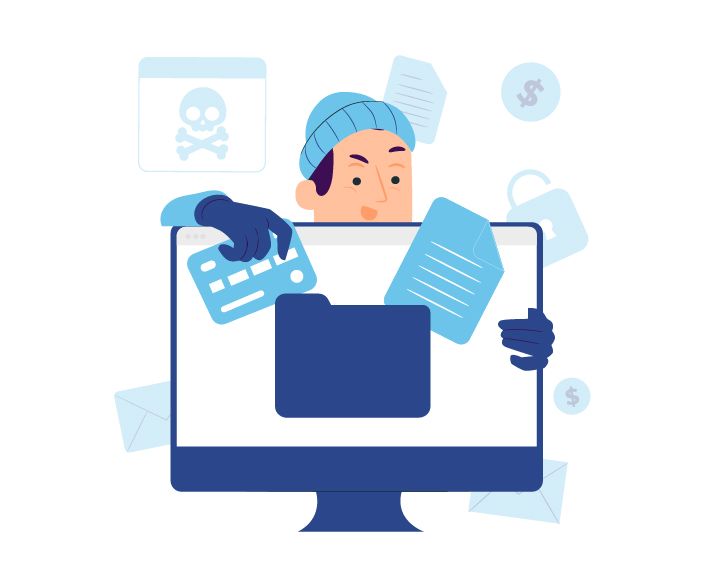
08 Apr How to Prevent Theft, Fraud, and Workplace Violence in Your Business
Corporate security is no longer just about reacting when something goes wrong. Today, the most successful organizations understand that prevention of fraud and theft is the real competitive advantage.
Internal theft, fraud, and workplace conflicts don’t just create financial losses — they impact productivity, employee morale, and your company’s reputation.
In this guide, you’ll learn how to proactively protect your business and reduce risk effectively.
🚨 1. The Real Problem: What You Don’t See
One of the biggest mistakes companies make is acting only when a problem becomes visible.
The reality is very different:
- Internal fraud often develops over time
- Retail losses can go unnoticed for months
- Workplace conflicts escalate if ignored
👉 Most threats start silently.
That’s why the key question is: What is happening in your organization that you’re not seeing yet?
🕵️ 2. How to Detect Theft and Internal Fraud
Some common warning signs include:
- Repeated inventory discrepancies
- Unusual employee behavior
- Lack of process control
- Poor traceability
This is where professional investigations become essential. They help you:
- Analyze situations objectively
- Identify hidden patterns
- Make informed decisions
👉 External specialists provide confidentiality and neutrality, which is critical in sensitive cases.
🛡️ 3. Loss Prevention: What Actually Works
Reducing losses is not just about installing cameras or surveillance systems.
The most effective strategies combine:
- Clear operational processes
- Strong internal culture
- Employee training
- Smart supervision
Companies that implement this approach achieve:
- Lower internal and external losses
- Higher profitability
- More engaged teams
⚠️ 4. Workplace Violence and Conflict: The Overlooked Risk
More companies are facing situations such as:
- Employee conflicts
- Harassment cases
- Verbal or physical aggression
Ignoring these issues can lead to:
- Decreased productivity
- High employee turnover
- Reputational damage
The solution lies in proactive prevention, not reactive measures.
This includes:
- Clear protocols
- Specialized training
- Early risk detection
🎓 5. Training: The Most Underrated Security Tool
One of the most powerful (yet often underestimated) tools is training.
A well-trained team:
- Identifies risks earlier
- Responds effectively in critical situations
- Reduces errors and losses
It also improves:
- Workplace safety
- Employee confidence
- Engagement and accountability
👉 Security training is no longer optional — it’s a business advantage.
🚀 6. From Strategy to Action: Where to Start
If you want to improve your company’s security, start with these steps:
- Assess your current risks
- Identify vulnerabilities
- Implement preventive measures
- Train your team
- Continuously monitor and improve
🤝 Need Help Implementing These Strategies?
Applying these measures effectively requires expertise, methodology, and a holistic approach.
Companies like Look & See specialize in:
- Theft and fraud investigations
- Loss prevention strategies
- Workplace violence prevention
- Corporate security training
With a practical, people-focused approach tailored to each organization.
🧠 Final Thoughts
Corporate security is no longer just protection — it’s strategy.
Companies that take a proactive approach:
- Lose less
- Operate more efficiently
- Grow more sustainably
The question is not if a problem will arise… but when — and how prepared you are to handle it. Contact us for a no-obligation consultation on how to anticipate, prevent and manage the risks facing your business.
No Comments